
Emergency Elevator Repair: What to Do
- By VE
GOT QUESTIONS?
Have questions or need guidance on how to navigate through this process? Or do you have issues with your elevator and don't know where to start? Our team is standing by and here to support you anyway we can.
Emergency Elevator Repair in Tacoma: What to Do When Your Elevator Breaks Down
An elevator that stops between floors is unsettling, whether you’re a passenger inside or the person responsible for the building. The good news is that elevator breakdowns are rarely dangerous, and knowing what to do makes the situation far less stressful. This guide covers what to do in the moment, how building owners should respond, and how to reduce the chances of it happening again.
If You Are Stuck Inside an Elevator
- Stay calm. Modern elevators are built with multiple safety systems, including governors and mechanical brakes that hold the car in place. A sudden freefall is extremely rare, and the cab is not airtight, so you will not run out of air.
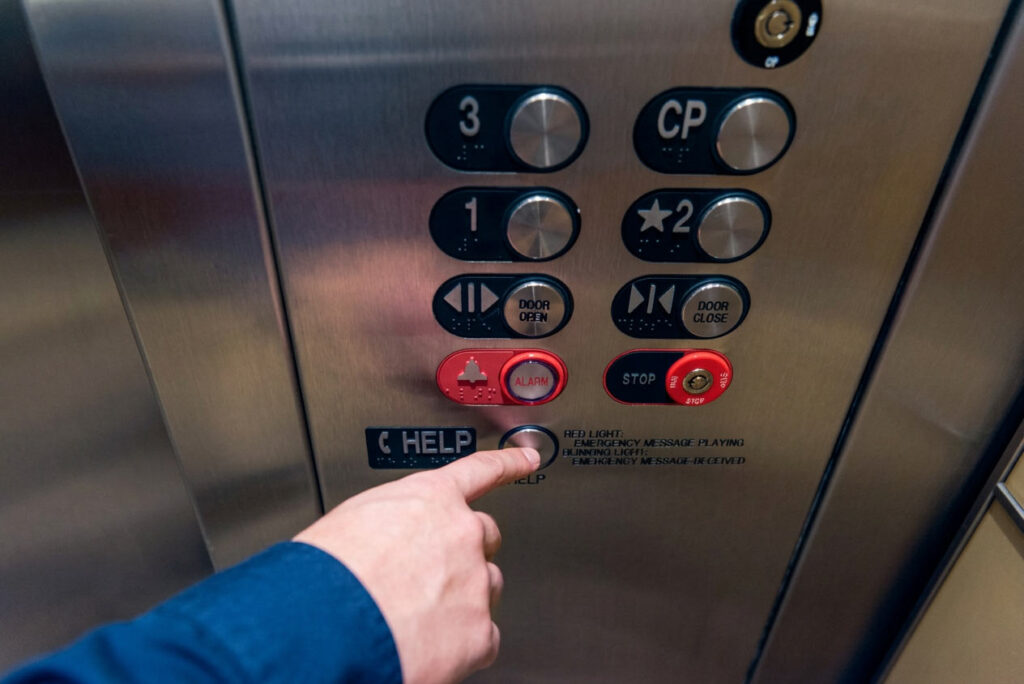
- Press the emergency call button or alarm. This usually connects you to a monitoring service or building staff. Stay near the panel so you can hear instructions.
- Use your phone if you get no response. Call the building manager or the number posted in the cab. If anyone is having a medical emergency, or you see smoke or smell burning, call 911 right away.
- Do not force the doors or try to climb out. Exiting a stalled car without trained help is where most injuries happen. The car can move unexpectedly, and the hoistway is dangerous.
- Wait for trained responders. Fire department crews or a licensed elevator technician will release you safely. It may feel like a long wait, but it is the safest option.
If Someone Else Is Stuck
If you are outside the elevator, speak to the person through the door so they know help is coming. Contact building management or the emergency number posted near the elevator, and call 911 if there is any sign of injury, distress or fire. Do not try to pry the doors open from the hallway.
Emergency Steps for Building Owners and Property Managers
When an elevator goes down, a clear process keeps people safe and shortens downtime.
- Confirm whether anyone is trapped, and keep in contact with them until help arrives.
- Take the elevator out of service and post a clear sign so no one tries to use it.
- Call a licensed elevator contractor. Avoid repeatedly resetting the unit, which can hide the cause of a fault or make it worse.
- Notify tenants and visitors about the outage and the expected timeline.
- Plan for accessibility. For wheelchair users and people with limited mobility, a down elevator can mean losing access to their home or workplace. Offer alternatives where possible.
- Document everything, including the time of the incident, who was involved, and the repair work performed.
Common Causes of Elevator Breakdowns
Most stoppages trace back to a handful of issues:
- Door problems. Misaligned tracks, worn rollers, or blocked sensors are among the most frequent causes of service calls.
- Worn mechanical parts. Ropes, sheaves, brakes and hydraulic components wear with use.
- Electrical and controller faults. Failed relays, boards or sensors can shut a car down as a safety precaution.
- Power interruptions. Outages and surges can trip the system, which is worth considering given how often Pacific Northwest storms affect the grid.
- Water intrusion. Moisture in the pit or machine room can damage equipment, especially in older buildings.
- Skipped maintenance. Small issues left alone tend to become emergency repairs.
How to Reduce the Risk of a Breakdown
Emergency repairs are almost always more disruptive and more expensive than planned maintenance. A few habits help:
- Schedule routine preventive maintenance with a qualified contractor, so wear is caught before it causes a failure.
- Keep up with required inspections. In Washington, elevators are regulated by the Department of Labor & Industries, which requires periodic inspections and an operating permit. Check current requirements for your equipment type.
- Report small warning signs early, such as jerky starts, uneven stops, slow doors, strange noises, or floor indicators that don’t match.
- Test the emergency phone and alarm regularly so they work when someone needs them.
- Plan for aging equipment. Modernizing controllers, doors, and drives can improve reliability and reduce repeat service calls.
What to Look for in an Emergency Elevator Repair Provider
If you manage a building, it helps to choose a provider before you need one. Consider:
- Proper licensing. Washington requires elevator work to be done by licensed contractors and mechanics.
- Availability at all hours. Breakdowns don’t keep business hours, so ask about after-hours and weekend response.
- Experience with your equipment. Hydraulic, traction, and older systems each have their own quirks.
- Clear communication. A good technician explains the cause, the fix, and any follow-up work in plain language.
- Local presence. A contractor that serves the Tacoma area can typically reach you faster than one dispatching from far away.
Frequently Asked Questions
Is it dangerous to be stuck in an elevator?
Elevators have redundant safety systems, and the main risks come from panicking or trying to escape on your own. Stay inside and wait for trained help.
Will I run out of air in a stalled elevator?
No. Elevator cabs are not sealed, and air flows in through vents and gaps.
Who should I call when an elevator breaks down?
If someone is trapped, press the emergency button and contact building management. Call 911 for medical emergencies, smoke or fire. For the repair itself, building owners should contact a licensed elevator contractor.
How often should an elevator be serviced?
Most buildings follow a regular preventive maintenance schedule set with their contractor, in addition to the inspections required by the state. Frequency depends on usage, age and equipment type.
Final Thoughts
A stuck elevator is stressful, but staying calm, using the emergency call system and letting trained professionals handle the rescue keeps everyone safe. For building owners, the best protection is preparation: consistent maintenance, a clear emergency process, and a trusted local contractor on call.
Need help with an elevator in the Puget Sound Area? Veteran Elevator can help answer questions about service and repair.