
Seemingly Small Elevator Problems That Can Turn Into Big Repairs
- By VE
A slightly slow elevator door. A faint rattle on the way up. A cab that doesn’t quite level with the floor. On their own, these issues seem too minor to worry about — annoying, maybe, but not urgent.
That assumption is exactly how small elevator problems become expensive, disruptive repairs.
Elevators are complex mechanical and electrical systems where components work in constant coordination. When one part starts to fail, it rarely stays isolated. Left unaddressed, a seemingly small problem can turn into a big one, and a working building amenity can turn into a weeks-long outage.
At Veteran Elevator, we’ve seen this pattern play out again and again. Below are the “small” warning signs building owners and facility managers should never ignore, and why catching them early saves both money and downtime.
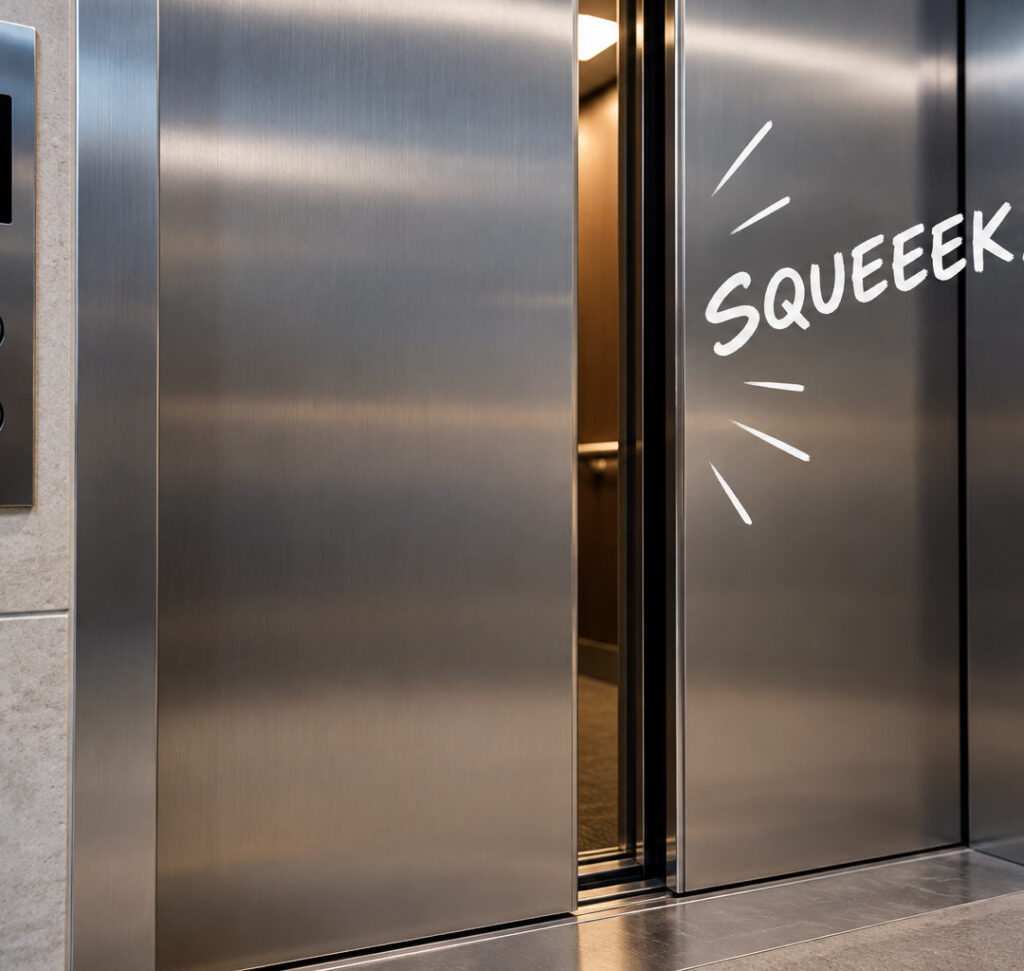
1. Unusual Noises During Operation
Grinding, squealing, clunking, or rhythmic thumping sounds are your elevator’s way of telling you something is wrong before it fails completely.
What it seems like: A minor annoyance riders barely notice.
What it can become: Worn sheaves, damaged guide rails, failing bearings, or a deteriorating motor. Left unchecked, these components can fail suddenly, leading to unscheduled shutdowns, cab misalignment, or damage to the hoistway equipment that’s far more expensive to replace than to service.
2. Doors That Hesitate, Stick, or Close Unevenly
Door issues are among the most common complaints — and the most commonly dismissed, since most riders just associate them with an old system rather than a legitimate mechanical issue.
What it seems like: A cosmetic quirk or minor inconvenience.
What it can become: Misaligned tracks, worn rollers, or a failing door operator. Beyond the mechanical wear, malfunctioning doors are a code compliance and liability issue — doors that don’t fully open, close, or reverse properly on obstruction pose a real safety risk and can result in violations during inspection.
3. Rough, Jerky, or Uneven Rides
If the elevator no longer glides smoothly from floor to floor, something in the drive system is compensating for a problem it wasn’t designed to handle.
What it seems like: A “quirk” of an older elevator.
What it can become: Worn drive sheaves, degrading hydraulic fluid, or a controller struggling to regulate speed and acceleration. Left alone, these issues accelerate wear across the entire system, often leading to full motor or controller replacement.
4. Floor Leveling Problems
When the cab stops slightly above or below the floor line, it’s easy to write off as a small inconvenience — until someone trips.
What it seems like: A minor calibration issue.
What it can become: A sign that the leveling sensors, hydraulic system, or governor is malfunctioning. This is also one of the top causes of slip-and-fall liability claims in commercial buildings, making it a problem that carries legal and financial risk well beyond the repair itself.
5. Longer Wait Times or Delayed Response
If the elevator takes longer than usual to arrive or respond to a call button, the dispatch or control system may be struggling.
What it seems like: A minor scheduling inefficiency.
What it can become: A failing controller board, wiring issue, or overworked motor. Control system failures are some of the most expensive elevator repairs, since they often require specialized programming and parts that must be ordered rather than kept in stock.
6. Vibration or Shaking During Movement
Elevators should feel stable and quiet. Any shaking, no matter how slight, indicates something is out of balance.
What it seems like: Normal wear on an older unit.
What it can become: Misaligned rails, worn guide shoes, or roller issues that — if not corrected — cause accelerated damage to the rail system and cab structure, both of which are costly and labor-intensive to repair.
7. Warning Lights or Error Codes
Modern elevator systems are equipped with diagnostic sensors for a reason. When an error code appears, even briefly, it’s not a glitch to shrug off.
What it seems like: A momentary technical hiccup.
What it can become: An early indicator of an electrical, mechanical, or safety system fault. Ignoring diagnostic warnings is one of the fastest ways to turn a preventable issue into an emergency shutdown.
Why Small Problems Escalate So Quickly
Elevators operate as an interconnected system — the drive, controller, doors, cables, and safety mechanisms all depend on one another. A minor fault in one component increases strain on the others. What starts as a $300 sensor replacement can, within months, become a full controller overhaul costing tens of thousands of dollars, plus the cost of an extended elevator outage that disrupts tenants, customers, or residents.
The Case for Preventive Maintenance
The most reliable way to avoid major elevator repairs is consistent, professional inspection and maintenance — not reactive service calls after something breaks.
A regular maintenance plan should include:
- Routine mechanical inspections of doors, rails, sheaves, and cables
- Diagnostic system checks to catch error codes and sensor faults early
- Lubrication and adjustment of moving parts to reduce wear
- Code compliance reviews to avoid safety violations and liability exposure
- Prompt response to reported issues, even ones that seem minor
How Veteran Elevator Can Help
At Veteran Elevator, we specialize in identifying the early warning signs building owners often miss — before they become five-figure repair bills or safety liabilities. Our technicians provide thorough inspections, responsive maintenance, and honest guidance on what genuinely needs attention versus what can be monitored.
If your elevator is showing any of the signs above — noise, hesitation, uneven rides, leveling issues, or diagnostic alerts — don’t wait for it to get worse. Contact Veteran Elevator today to schedule an inspection and protect your building, your tenants, and your budget.